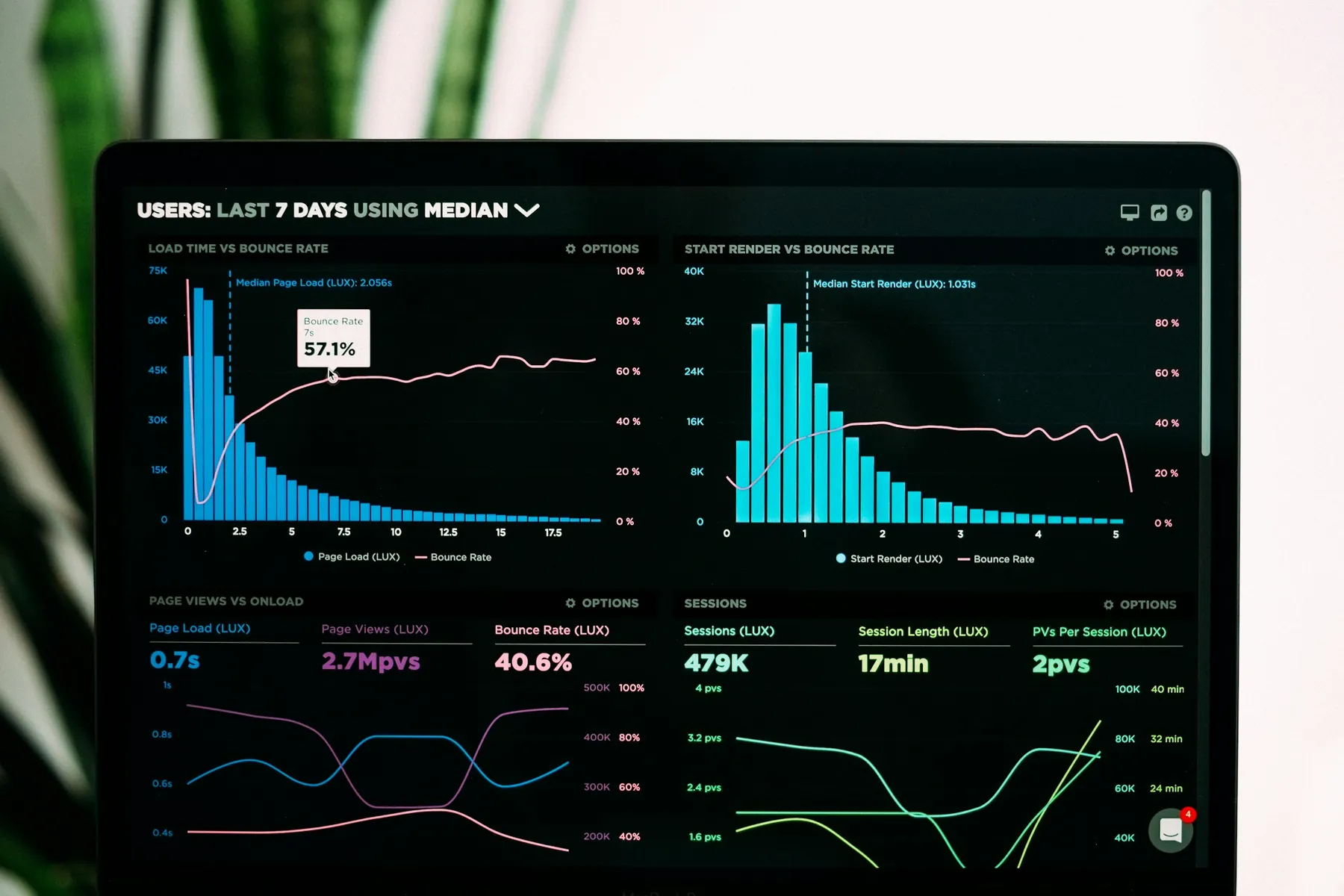


A laptop screen showing an analytics dashboard of charts and summary figures

Leadership Assessment Malaysia

A report that tells you what is wrong is only useful if something happens next.

Most assessment tools produce a detailed report and stop there. We use leadership and psychometric assessments in Malaysia as the starting point for real development, not the end product.

Talk to us about measuring your gap
29+ years1000+ organisationsMeasurement built into major development journeys

Measure first

Why measurement matters

You cannot design a development programme around a gap you have not measured, and you cannot prove a programme worked without a before and after. Assessment is how we know where to start and whether the investment changed anything. That is why it usually runs at the front of a leadership programme or a graduate intake rather than as a standalone exercise, and why it can normally sit inside the same HRD Corp claim as the programme it informs.

A confidential assessment debrief conversation between a consultant and a participant

Diagnostic tools

Assessment tools we use

Illustration: five colleagues seated around a meeting table, one speaking while the others listen

Employee Engagement Survey (EES)

Understand what drives engagement, commitment and performance

Our Employee Engagement Survey gives organisations a clear, evidence-based view of how employees experience the workplace. Built around 14 critical engagement factors, it identifies what is energising your people and what may be weakening morale, retention, productivity and culture.

This is more than a satisfaction check. It is a practical diagnostic tool that helps leaders understand the real employee experience and take focused action to improve engagement where it matters most.

What it helps you uncover

  • Employee morale and emotional commitment
  • Drivers of motivation and retention
  • Areas affecting productivity and workplace culture
  • Hidden gaps between leadership intent and employee experience
  • Priority areas for people and culture improvement

Illustration: four colleagues in discussion around a boardroom table, notebooks and a laptop in front of them

Team Assessment Survey

Build stronger teams by uncovering what is holding them back

Even talented teams can struggle when trust is weak, accountability is inconsistent, or difficult conversations are avoided. Our Team Assessment Survey helps teams identify the underlying dynamics that affect collaboration, alignment, communication and results.

It provides a valuable starting point for honest discussion and team development by making invisible issues visible. The result is greater clarity, stronger relationships, and a more cohesive team that performs with purpose.

What it helps you uncover

  • Levels of trust and openness within the team
  • Barriers to healthy debate and communication
  • Gaps in accountability and commitment
  • Misalignment around goals and priorities
  • Factors affecting team cohesion and collective performance
Illustration: two colleagues in a one-to-one conversation in armchairs beside a low table

Leadership Effectiveness Survey

Develop leaders who create clarity, confidence and impact

Leadership shapes culture, engagement and execution. Our Leadership Effectiveness Survey gives leaders meaningful feedback on how their behaviours are experienced by others, and how effectively they are leading in today's environment.

Enhanced beyond the traditional model, this survey provides insight into leadership practices that influence credibility, direction, inspiration, alignment and follow-through. It is built for organisations that want to strengthen leadership capability and build leaders who can drive both results and people performance.

What it helps you uncover

  • How leadership behaviours are perceived by others
  • Strengths and development areas in leadership practice
  • Gaps in influence and communication
  • Opportunities to strengthen trust and presence
  • Priorities for leadership development and coaching

Connected development

How assessment fits into the bigger picture

Illustrative example

01

Baseline

An illustrative example. A leadership team starts with a measured gap in delegation, feedback, and cross-functional communication.

02

Intervention

The development journey targets those behaviours through practice, coaching, workplace application, and manager reinforcement.

03

Re-measurement

A second assessment checks whether the behaviours are showing up more consistently, and where the next development cycle should focus.

Dead ends

Where most diagnostic tools add no lasting value

The report is the deliverable

Nothing about how the person develops actually changes.

The wrong tool is used by default

The instrument does not match the question.

There is no baseline

Without measuring first, you cannot credibly show what changed.

Results are never revisited

The assessment is filed rather than used to check progress.

The work, and what changed

Only sourced, client-approved evidence appears as completed proof.

Motivation-based assessment

Making Talent Readiness Visible Through Motivation-Based Assessment

Mass Rapid Transit Corporation (MRT Corp)

88% development-pathway clarity

Motivational Trait Group reporting across 16 behavioural dimensions, connecting each individual's readiness placement to a concrete development roadmap for coaching, rotation, and succession decisions.

“The profiling helped me understand where I am today and what kind of environment, support and exposure would help me contribute more effectively. It made the development conversation feel more practical and personalised.”

Programme participant, MRT Corp
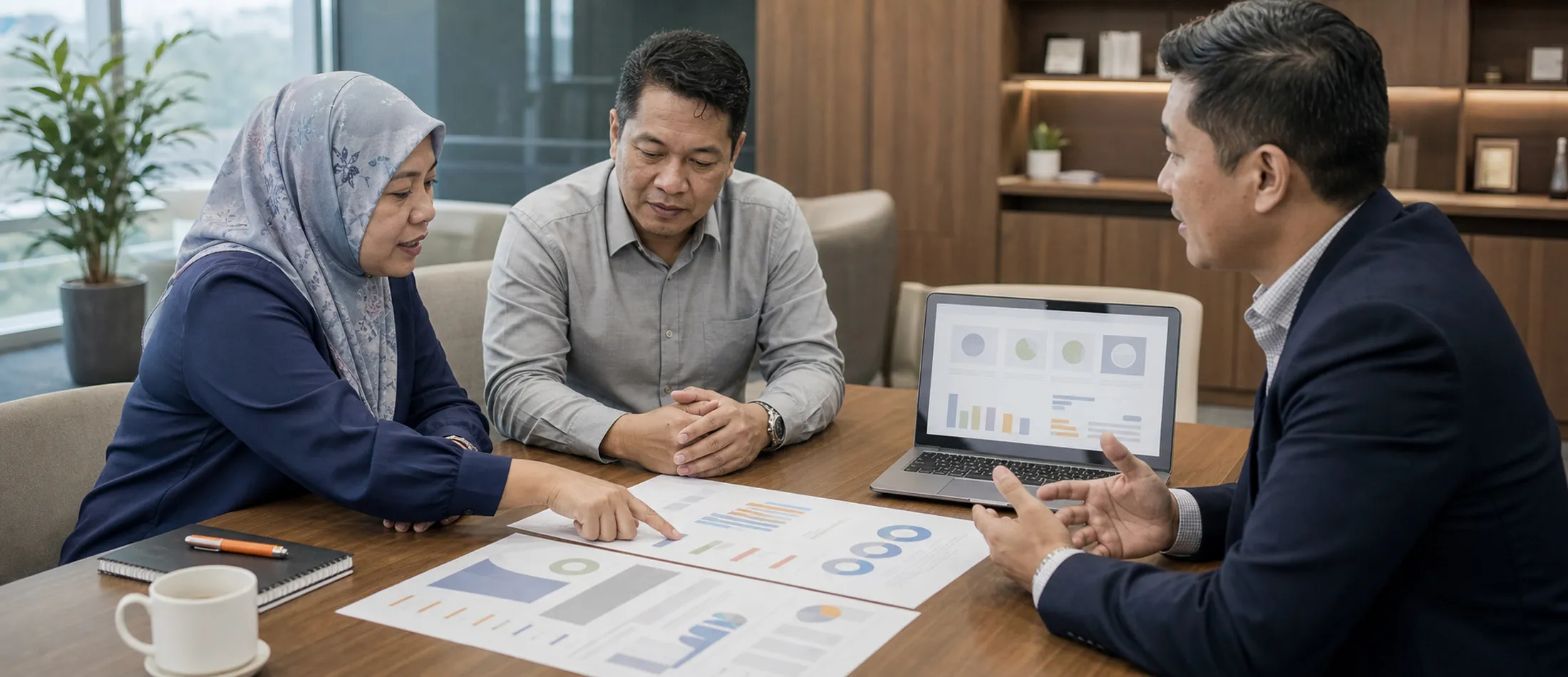
Illustration: three colleagues reviewing printed charts and a laptop dashboard across a meeting table

Questions, answered

Frequently asked questions

What assessment tools does Learning Edge use?

The Employee Engagement Survey (EES), the Team Assessment Survey, and the Leadership Effectiveness Survey, depending on whether the gap sits at the individual, team, or organisation level.

Do you just hand over a report?

No. A report on its own is a dead end. We use assessment as the starting point for real development, not the end product.

How does assessment fit into a broader development programme?

We start with a measured baseline, target the specific behaviours through the development journey, then re-measure to check whether the behaviours are actually showing up, and where the next cycle should focus.

Are these psychometric assessments?

We use leadership and psychometric assessments as the starting point for real development, spanning individual, team, and organisation-wide measurement rather than a single standardised test.

Is the Leadership Effectiveness Survey a 360-degree feedback tool?

It gives leaders meaningful feedback on how their behaviours are experienced by others, enhanced beyond the traditional model, covering credibility, direction, inspiration, alignment, and follow-through.

What happens after the assessment is completed?

The assessment is the baseline, not the end point. It feeds into a development journey targeting the specific behaviours through practice, coaching, and workplace application, then a second assessment checks whether those behaviours are actually showing up more consistently.

Not a sales pitch. A diagnostic conversation.

Talk to us about measuring your leadership or culture gap.

Tell us whether you are trying to understand an individual, team, or organisation-wide gap, and we will recommend the right approach.

Talk to us about measuring your gap

We respond within one business day.